Posts By :

admin

Car Hire Companies: How Poor Practices Can Destroy Customer Trust and Reputation

1024 719 Bunsty

Hiring a car should be one of the simplest parts of a holiday or business trip. You book the vehicle, pay the advertised price, arrive at the collection desk, complete the paperwork and drive away.

Unfortunately, that straightforward process can become anything but straightforward.

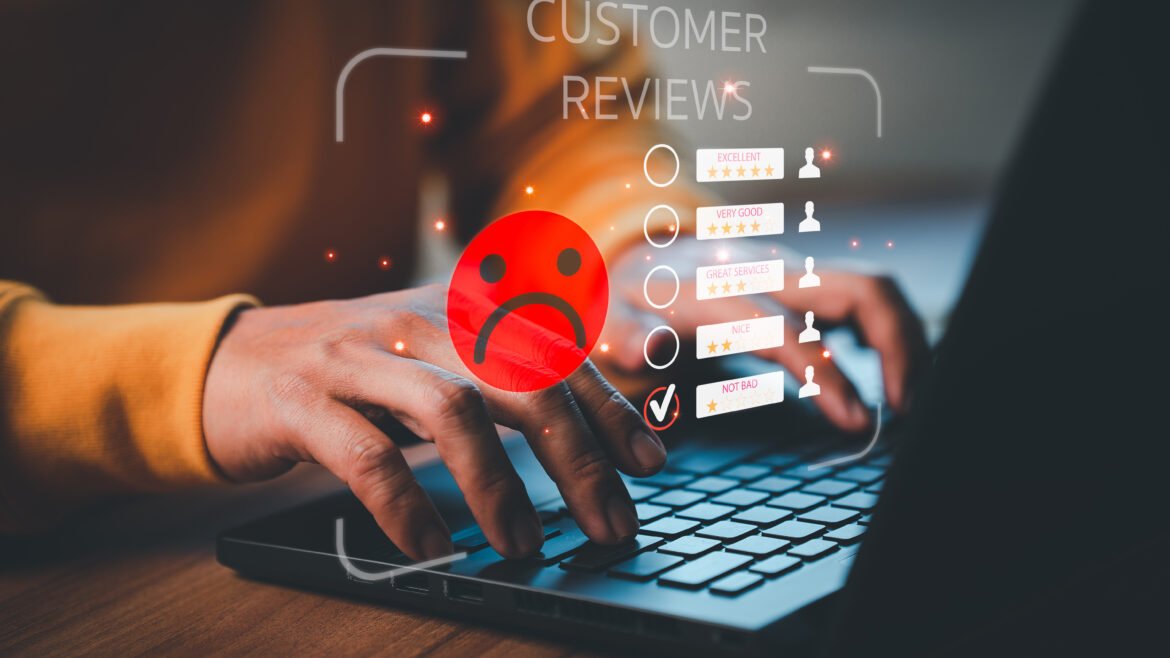
Some car hire companies have attracted considerable criticism from customers who describe experiences involving aggressive insurance sales, unexpected charges, long queues, unsuitable replacement vehicles and disputes over alleged damage. When these experiences are repeated across online review platforms, they can cause serious and long-lasting damage to a company’s reputation.

For the customer, what should have been the start of an enjoyable holiday can instead become an uncomfortable confrontation at a rental desk.

For the company, the consequences can be even longer lasting.

The insurance sales tactic that leaves customers feeling trapped

One of the biggest sources of frustration is insurance.

A customer may book a hire car through a broker or comparison website and purchase what is described as comprehensive car hire insurance or excess protection. They reasonably believe they have done exactly what is required.

Then they arrive at the rental desk.

Suddenly, they are told that the insurance they purchased isn’t sufficiently comprehensive.

The representative may explain that the rental company’s own insurance is different, provides greater protection or is necessary to avoid potentially substantial financial liability.

Of course, there can be genuine differences between policies, and customers should always understand precisely what their insurance covers.

The problem arises when the explanation becomes an aggressive sales pitch.

The customer has already paid for insurance. They are standing at an airport desk, often after a long journey, with a booked vehicle waiting for them. They are not exactly in an ideal position to shop around for alternatives.

If they decline the company’s insurance, they may then be faced with a substantial security deposit or financial liability being placed against their credit card.

This can make the customer feel as though they have been presented with a choice that isn’t really a choice at all.

The enormous credit card charge

This is where the experience can become particularly uncomfortable.

Customers who decline additional insurance may be told that a large deposit will be charged or pre-authorised against their credit card as security.

For a traveller who has already paid for the vehicle and purchased insurance, seeing a very substantial sum associated with the rental can be alarming.

Even where the amount is ultimately refunded, customers can understandably become frustrated if they are told that it may take several weeks for the money to return to their account.

A refund taking four weeks can be especially inconvenient.

For someone on holiday, having a significant amount of available credit tied up for weeks is hardly a minor inconvenience. It can affect spending ability, available credit and financial planning.

From a reputation perspective, the issue isn’t simply whether the charge is technically permitted under the rental agreement.

It is the customer’s perception of fairness.

If a customer feels that they were effectively pressured to buy additional insurance to avoid having a huge amount tied up on their credit card, they may leave the rental desk feeling exploited rather than valued.

And unhappy customers tend to talk.


The advertised price isn’t always the final price

Another major reputation problem is the difference between the price customers believe they have paid and the amount they eventually discover they are expected to pay.

Car hire prices advertised online can appear extremely competitive. Customers naturally compare prices before booking and may select a particular company because it appears to offer good value.

But additional charges can quickly change the calculation.

Insurance, fuel arrangements, additional drivers, deposits, optional extras, administration charges and other costs can turn what appeared to be a bargain into a substantially more expensive rental.

Some charges may be perfectly legitimate and clearly disclosed in the terms and conditions.

The reputational problem occurs when customers feel they were not made sufficiently aware of the true cost before committing to the rental.

Nobody likes discovering that the attractive price they saw online was only the beginning of the conversation.


“Sorry, we don’t have that car”

Another complaint sometimes encountered in the car rental sector concerns vehicle category.

A customer books a particular category of vehicle because it suits their needs. Perhaps they need sufficient boot space for luggage, a particular number of seats or simply selected a vehicle category they considered appropriate.

They arrive at the desk and discover that the vehicle they booked isn’t available.

Occasionally, genuine fleet problems happen. Vehicles can be damaged, delayed, unavailable or returned late.

That is understandable.

What is much harder for customers to accept is being offered what they regard as a lower-category vehicle and being expected to accept it without an appropriate solution.

A customer who has paid for a particular category reasonably expects to receive something equivalent.

If a company cannot provide it, the professional response should be to explain the situation and offer a fair alternative.

Trying to persuade a customer that a noticeably smaller or less capable vehicle is effectively the same thing can create instant resentment.

And if the customer has luggage, children, golf equipment or other bulky items, the difference can become more than cosmetic.


Long queues: the customer’s first impression of the company

Few things destroy goodwill faster than a long queue at a car hire desk.

After a flight, customers want to collect their keys and get on their way.

Yet some customers report waiting for extended periods because there simply aren’t enough representatives available to deal with the number of people arriving.

A company cannot reasonably expect customers to be impressed by a supposedly efficient service when they are standing in a queue for an hour or more.

The problem becomes even worse when customers can see desks sitting empty while one or two representatives struggle to deal with a growing line.

Staffing is ultimately a management decision.

Customers should not have to suffer because a company has underestimated demand.

And the queue can become particularly frustrating when, after waiting patiently, the customer then encounters a lengthy sales presentation about insurance and additional products.

The first impression matters.

For many customers, the queue is the first real experience they have of the rental company.

It is difficult to recover from a bad first impression.


The damage dispute that can turn a customer into an enemy

Perhaps the most serious reputational issue involves vehicle damage.

A customer collects a vehicle and notices scratches, dents, scuffs or other marks. They may believe these were already present when they collected the car.

They return the vehicle at the end of the rental and are then told that damage has been identified.

The customer disputes it.

The company says the damage wasn’t previously recorded.

Suddenly, the customer is being asked to accept financial responsibility for something they insist they didn’t cause.

This is precisely why thorough vehicle inspection and photographic evidence are so important.

Customers should photograph the vehicle carefully before leaving the collection location, particularly wheels, bumpers, doors, mirrors and other vulnerable areas.

From the rental company’s perspective, accurate and transparent damage records are equally important.

Where there is clear documentation showing the condition of the vehicle before and after the rental, disputes are far easier to resolve.

Where documentation is inadequate, trust can disappear remarkably quickly.

A customer who feels they have been wrongly blamed for existing damage is unlikely to recommend the company to anyone.


Better companies understand that trust is worth more than another sale

The contrast with better-performing car hire companies is significant.

Good rental companies understand that the customer isn’t an obstacle standing between the company and another insurance sale.

The customer is the business.

A reputable operator should want the customer to understand their insurance options, but should explain them clearly rather than creating unnecessary fear.

It should make the total cost as transparent as possible.

It should provide the vehicle category that was booked or deal fairly with genuine availability problems.

It should provide sufficient staff to manage busy collection periods.

And it should have a transparent process for recording and dealing with vehicle damage.

Most importantly, better companies understand that a satisfied customer can be worth far more than a single additional sale.

A customer who has a smooth experience may return next year.

They may recommend the company to friends.

They may leave a positive review.

They may become a loyal customer for years.

A customer who feels pressured into purchasing insurance, charged unexpectedly, given an unsuitable vehicle, left standing in a queue and then accused of damaging a vehicle they say was already damaged is likely to do precisely the opposite.


Online reputation can expose poor customer experiences

The internet has changed the balance of power between rental companies and customers.

Years ago, a dissatisfied customer might complain to a friend or write a letter.

Today, that experience can appear on Google, Trustpilot, social media and travel websites within minutes.

One negative review may not cause serious damage.

A pattern of similar complaints is much harder to ignore.

Potential customers increasingly look beyond the headline rental price. They want to know what happens at the desk, what happens when they decline additional insurance, how deposits are handled and whether other customers experienced disputes over vehicle damage.

This means reputation isn’t merely a marketing issue.

It is directly connected to the customer experience.


Reputation is earned at the rental desk

Car hire companies can spend enormous amounts of money on advertising themselves as friendly, professional and customer-focused.

But advertising cannot compensate indefinitely for poor experiences.

If customers repeatedly report feeling pressured, overcharged, ignored or unfairly treated, those experiences can eventually become more influential than the company’s own marketing.

The better car hire companies recognise a simple principle:

Treat customers fairly, explain costs honestly, provide what was promised and resolve problems reasonably.

It sounds obvious.

Yet those basic principles can make an enormous difference.

Car hire customers don’t expect perfection. They understand that vehicles break down, flights arrive late, fleets become unavailable and mistakes occasionally happen.

What they do expect is honesty, transparency and fair treatment.

When a company delivers those things, customers have little reason to complain.

When it doesn’t, the consequences can extend far beyond one unhappy rental.

They can damage trust, generate negative reviews, discourage future bookings and ultimately undermine the reputation of the entire brand.

In the modern car hire industry, the customer experience doesn’t finish when the keys are handed over.

It becomes the review that the next customer reads before deciding whether to book.

British Airways: A Premium Reputation Undermined by Onboard Failures

683 1024 Bunsty

For decades, British Airways promoted itself as a symbol of British quality, professionalism, and reliability. As the UK’s flag carrier, it cultivated an image of premium service and dependable comfort. Yet for many passengers today, that reputation feels increasingly disconnected from reality. Persistent onboard issues — ranging from weak service standards to basic operational failures — are steadily eroding trust in the brand, especially when compared with competitors that consistently deliver a better experience.

Poor Onboard Service and Declining Standards

One of the most damaging factors affecting British Airways’ reputation is the noticeable decline in onboard service. Passengers frequently report indifferent or rushed interactions, long waits for assistance, and a lack of attentiveness throughout flights. What was once seen as polished, professional service now often feels transactional and inconsistent.

This is particularly damaging when compared with airlines such as Qatar Airways, Singapore Airlines, or Emirates, where cabin crew are widely praised for proactive, attentive, and genuinely customer-focused service. These airlines have set a benchmark that British Airways increasingly struggles to meet, despite charging comparable fares on many routes.

Running Out of Food: A Basic Failure

Few issues frustrate passengers more than being told their meal choice — or any meal at all — is no longer available. Reports of British Airways flights running out of food, even on long-haul services, have become alarmingly common. This is not a minor inconvenience but a fundamental service failure. The impression given is that they are attempting cost savings by forcing passengers to take the cheaper meal option, even accepting options from lower compartments.

By contrast, leading international carriers are known for careful catering management and generous provisioning, ensuring passengers are rarely left without options. When British Airways fails to provide meals reliably, it creates the impression of cost-cutting and poor planning, damaging confidence in the airline’s operational competence.

Faulty Entertainment Equipment on Long Flights

In-flight entertainment is no longer a luxury; it is an essential part of long-haul travel. Yet British Airways continues to attract criticism for broken screens, unresponsive systems, and faulty headphones. For passengers facing flights lasting eight hours or more, these failures significantly reduce comfort and satisfaction.

Competing airlines invest heavily in modern cabins, reliable technology, and large entertainment libraries. When passengers experience smooth, high-quality systems elsewhere, British Airways’ ongoing technical issues reinforce the perception of aging aircraft and underinvestment.

Overworked Cabin Crew and the Human Cost

Many of these problems can be traced back to one underlying issue: overworked and understaffed cabin crew. Crew members are often responsible for large passenger loads under tight schedules, leaving little room for the attentive service British Airways once promised. Fatigue and low morale are difficult to hide and inevitably affect the passenger experience.

In contrast, airlines with stronger reputations tend to prioritise crew wellbeing, recognising that motivated and supported staff are essential to high service standards. British Airways’ struggles in this area are increasingly visible to customers and further undermine its premium image.

Falling Behind Better Airlines

Perhaps the most damaging aspect of British Airways’ decline is how stark the comparison has become. Passengers who regularly fly with Asian and Middle Eastern carriers often describe British Airways as outdated, inconsistent, and overpriced for what it delivers. While competitors innovate and refine their onboard experience, British Airways appears to rely heavily on its historic reputation.

A Brand at Risk

Reputation in the airline industry is built flight by flight. Repeated experiences of poor service, missing food, broken entertainment systems, and visibly overstretched crew are reshaping how passengers view British Airways. Once seen as a leader, it now risks being perceived as an airline that no longer lives up to its promises.

Unless British Airways makes meaningful investments in staffing, training, catering, and cabin upgrades, the gap between its brand image and the reality onboard will continue to widen — and passengers will increasingly choose airlines that deliver the quality British Airways once represented.

Why Ignoring Bad Online Reviews and Comments can be fatal

1024 683 Bunsty

Online reviews and comments have become a cornerstone of consumer behaviour. They influence purchasing decisions, shape public perception, and play a critical role in a company’s reputation. Ignoring bad online reviews and comments can have severe consequences, ranging from loss of trust and revenue to long-term brand damage. This blog post explores the various repercussions of neglecting negative feedback and offers insights into why it’s crucial for businesses to actively manage their online reputation.

  1. Loss of Trust and Credibility

Impact on Trust: Trust is the foundation of any successful business relationship. When companies ignore bad reviews and comments, it signals to customers that they do not care about their feedback or their satisfaction. This lack of response can erode trust and credibility, making potential customers wary of engaging with the business.

Case Study: Consider a scenario where a restaurant repeatedly receives complaints about poor service or food quality. If management fails to address these issues publicly, existing and potential customers may conclude that the restaurant is indifferent to their concerns. This perception can lead to a significant drop in patronage, as customers seek alternatives that appear more attentive and responsive.

Lesson Learned: Acknowledging and addressing negative reviews shows that a company values its customers and is committed to improving their experience. This proactive approach can help maintain trust and credibility, even in the face of criticism.

  1. Decline in Sales and Revenue

Financial Consequences: Negative reviews and comments, if left unaddressed, can lead to a decline in sales and revenue. Potential customers often turn to online reviews before making a purchase decision. A string of bad reviews can deter them from choosing a particular product or service, directly impacting the company’s bottom line.

Example: Imagine an online retailer with several negative reviews about delayed shipping and poor customer service. If these complaints go unanswered, potential buyers may opt to shop elsewhere, fearing they will have a similar negative experience. Over time, the cumulative effect of these lost sales can be substantial, affecting the company’s financial health.

Lesson Learned: Engaging with dissatisfied customers and resolving their issues can mitigate the impact of negative reviews. Demonstrating a commitment to customer satisfaction can encourage hesitant buyers to give the company a chance, potentially reversing the trend of declining sales.

  1. Damage to Brand Reputation

Long-Term Impact: A brand’s reputation is one of its most valuable assets. Ignoring negative reviews can lead to long-term damage that is difficult to repair. Consistently poor feedback, especially if unaddressed, can tarnish a brand’s image and erode its market position.

Case Study: Consider a technology company that faces numerous complaints about defective products and poor customer service. If the company fails to address these issues publicly, the negative perception can spread, affecting not just sales but also partnerships and investor confidence. Over time, the brand may be associated with unreliability and poor quality, making recovery an uphill battle.

Lesson Learned: Actively managing online reputation by addressing negative reviews can help preserve a brand’s image. Taking corrective action and communicating these efforts to the public can mitigate the damage and even enhance the brand’s reputation for responsiveness and responsibility.

  1. Negative SEO Impact

Search Engine Visibility: Search engines like Google take into account the volume and nature of online reviews when ranking businesses. A high number of negative reviews, especially if left unaddressed, can adversely affect a company’s search engine optimization (SEO) efforts, making it harder for potential customers to find the business online.

Example: A hotel with numerous unaddressed negative reviews about cleanliness and service may find itself ranked lower in search results. This reduced visibility can lead to fewer bookings, as potential guests opt for higher-ranked competitors. The decrease in online visibility further compounds the decline in revenue.

Lesson Learned: Responding to negative reviews and resolving issues can improve a company’s online presence. Positive interactions and resolved complaints can enhance a business’s SEO, ensuring it remains visible and attractive to potential customers.

  1. Loss of Competitive Edge

Market Dynamics: In competitive markets, businesses cannot afford to ignore any aspect of customer feedback. Competitors who are more responsive to customer reviews can gain a significant advantage, attracting dissatisfied customers and capitalizing on the perceived indifference of other businesses.

Case Study: A local coffee shop ignoring complaints about rude staff and poor service might see its customers migrate to a competitor that actively engages with its patrons and resolves issues promptly. The competitor not only gains new customers but also reinforces its image as a customer-centric business, further solidifying its market position.

Lesson Learned: To maintain a competitive edge, businesses must be vigilant in monitoring and responding to online reviews. Demonstrating a proactive approach to customer feedback can differentiate a company from its competitors and attract a loyal customer base.

  1. Decreased Employee Morale and Retention

Internal Impact: Negative reviews can also impact a company’s internal environment. Persistent negative feedback about a business’s products or services can demoralize employees, especially if they feel management is not taking action to address the issues. This can lead to decreased job satisfaction and higher turnover rates.

Example: Employees at a retail store receiving frequent complaints about product quality and customer service may become disheartened if management does not respond to these issues. Over time, the frustration can lead to higher staff turnover, further exacerbating service issues and perpetuating the cycle of negative reviews.

Lesson Learned: Addressing customer feedback not only improves external perceptions but also boosts internal morale. When employees see that their company values and acts on customer feedback, it fosters a positive work environment and enhances employee retention.

  1. Legal and Regulatory Risks

Compliance Issues: Ignoring negative reviews and comments, particularly those that highlight serious issues like safety concerns or discriminatory practices, can lead to legal and regulatory consequences. Companies are obligated to address such complaints to comply with industry standards and regulations.

Case Study: A pharmaceutical company facing numerous complaints about the side effects of a new medication must take these reviews seriously. Ignoring them could lead to regulatory scrutiny, fines, and lawsuits, compounding the financial and reputational damage.

Lesson Learned: Proactively addressing serious complaints can help companies avoid legal troubles and ensure compliance with regulatory standards. This approach also demonstrates a commitment to safety and ethical practices, reinforcing trust with customers and regulators alike.

Conclusion

The consequences of ignoring bad online reviews and comments can be severe and far-reaching. From loss of trust and revenue to long-term brand damage and legal risks, the repercussions can cripple a business. However, these outcomes are not inevitable. By actively managing online reputation, addressing customer concerns, and demonstrating a commitment to continuous improvement, companies can turn negative feedback into opportunities for growth and enhancement.

In the digital age, where consumers have unprecedented access to information and platforms to voice their opinions, businesses must be vigilant in monitoring and responding to online reviews. A proactive and strategic approach to reputation management not only mitigates the impact of negative feedback but also fosters trust, loyalty, and long-term success. By learning from the pitfalls of ignoring bad reviews, companies can ensure they remain competitive and respected in the eyes of their customers.

Mishandling Online Reputation in the UK Telecommunications Sector: Lessons and Consequences

1024 721 Bunsty

In the UK telecommunications sector, maintaining a positive online reputation is critical to success. With millions of customers relying on these companies for essential communication services, any mishandling of reputation can lead to severe consequences, including loss of customer trust, financial setbacks, and long-lasting damage to brand image. Despite this, there have been several instances where telecom companies in the UK have mismanaged their online reputation, leading to significant repercussions.

This blog post explores real-life examples of such mishandling within the UK telecommunications sector, analyzing the causes, consequences, and lessons that other companies can learn to avoid similar pitfalls.


The Importance of Online Reputation in the Telecommunications Industry

The telecommunications industry is highly competitive, with companies constantly vying for customer loyalty and market share. With services such as mobile connectivity, broadband, and digital TV forming the backbone of modern life, customers expect reliable and high-quality service. In an age where consumers can easily voice their opinions online, telecom companies must manage their reputation meticulously. Negative experiences shared on social media, review platforms, or news outlets can rapidly spread, influencing public perception and customer decisions.


TalkTalk: The Cybersecurity Breach

Incident Overview:

In October 2015, TalkTalk, one of the UK’s major telecommunications providers, suffered a significant cybersecurity breach. Hackers accessed the personal and financial data of approximately 157,000 customers, including names, addresses, and bank details. This was not the first time TalkTalk had experienced a breach; it was the third incident within a year.

Mishandling of Online Reputation:

TalkTalk’s handling of the breach was widely criticized. Initially, the company downplayed the scale of the breach, causing confusion and anxiety among customers. The delay in providing clear information about the extent of the breach and the steps being taken to mitigate the damage further eroded customer trust. Moreover, the CEO’s public statements appeared dismissive, focusing more on minimizing the perceived impact rather than addressing customer concerns directly. This approach backfired, leading to a perception that TalkTalk was not taking the incident seriously.

Consequences:

The breach had severe financial implications for TalkTalk, resulting in a £400,000 fine from the Information Commissioner’s Office (ICO). The company also faced significant customer attrition, with many switching to competitors due to concerns over data security. The financial cost of the breach, including the fine, legal fees, and compensation, was estimated to be over £60 million. Additionally, TalkTalk’s stock price plummeted, reflecting the loss of investor confidence.

Lessons Learned:

TalkTalk’s experience highlights the importance of transparent and timely communication during a crisis. Companies must prioritize customer concerns, offering clear, honest information and demonstrating a commitment to resolving the issue. In the case of cybersecurity breaches, swift action and robust measures to prevent future incidents are crucial to restoring trust.


BT: The Italia Scandal

Incident Overview:

British Telecom (BT) faced a major scandal in 2017 involving its Italian subsidiary, BT Italia. An internal investigation revealed widespread accounting irregularities, where employees had inflated profits over several years. The financial misconduct came to light after whistleblowers within the company reported the issues.

Mishandling of Online Reputation:

BT’s response to the scandal was criticized for being slow and insufficiently transparent. While the company eventually disclosed the problem to shareholders and the public, it was perceived that the information had been withheld for too long, creating suspicion and damaging trust. The scandal also exposed weaknesses in BT’s internal controls and corporate governance, raising concerns about the company’s overall management practices.

Consequences:

The BT Italia scandal led to a £530 million writedown, a sharp decline in share prices, and a loss of confidence among investors and customers alike. The company’s reputation, particularly regarding its management and financial practices, was severely damaged. BT also faced increased scrutiny from regulators and was forced to implement significant changes to its corporate governance to prevent future misconduct.

Lessons Learned:

The BT Italia scandal underscores the importance of strong corporate governance and transparency. Companies must ensure that internal controls are robust and that any issues are promptly and transparently communicated to stakeholders. A proactive approach in addressing and rectifying problems can help mitigate the damage to a company’s reputation.


Vodafone: Poor Customer Service and Billing Issues

Incident Overview:

Vodafone, one of the largest mobile operators in the UK, has faced ongoing criticism for its customer service and billing practices. In 2016, Vodafone was fined a record £4.6 million by Ofcom, the UK’s communications regulator, for serious breaches of consumer protection rules. The issues included incorrect billing, poor handling of complaints, and failures in resolving customer issues.

Mishandling of Online Reputation:

Vodafone’s mishandling of customer complaints played a significant role in damaging its reputation. The company was slow to acknowledge the extent of the issues, and its responses to customer complaints were often seen as inadequate or dismissive. As customers took to social media to express their frustration, the negative publicity grew, with many highlighting the company’s failure to resolve their issues effectively.

Consequences:

The Ofcom fine was a clear signal of Vodafone’s failures, both in terms of customer service and regulatory compliance. The company faced a backlash from customers, with many choosing to switch providers. The negative publicity also affected Vodafone’s brand image, with surveys showing a decline in customer satisfaction and trust.

Lessons Learned:

Vodafone’s experience highlights the critical importance of effective customer service and complaint resolution. In the telecommunications industry, where service reliability is paramount, companies must ensure that their customer service teams are well-equipped to handle issues promptly and effectively. Moreover, companies should actively listen to customer feedback and make necessary improvements to prevent recurring problems.

O2: Network Outages and Customer Communication Failures

Incident Overview:

In December 2018, O2, another leading UK mobile operator, experienced a major network outage that left millions of customers without mobile data for nearly 24 hours. The outage was caused by an issue with software supplied by Ericsson, affecting O2’s network as well as other operators globally.

Mishandling of Online Reputation:

While O2 acknowledged the issue and provided updates via social media, many customers felt that the communication was inadequate. The lack of detailed information about the cause of the outage and the steps being taken to resolve it led to widespread frustration. Additionally, O2’s compensation offer—a credit or data add-on—was seen by many customers as insufficient, leading to further dissatisfaction.

Consequences:

The network outage led to a significant number of complaints and negative reviews online. O2’s reputation took a hit, with customers expressing concerns about the reliability of the service and the company’s ability to manage such incidents. Although O2 remained a major player in the market, the outage and its handling left a lasting impression on many customers.

Lessons Learned:

The O2 outage highlights the importance of clear and transparent communication during service disruptions. Customers need to be kept informed about the nature of the problem, expected resolution times, and any compensation measures. Companies must also ensure that their compensation offers are perceived as fair and adequate, reflecting the inconvenience caused to customers.

EE: Customer Complaints and Hidden Charges

Incident Overview:

EE, a leading provider of broadband, TV, and phone services in the UK, has faced criticism over the years for its handling of customer complaints and hidden charges. Issues such as unexpected price increases, difficulty in canceling contracts, and poor customer service have been recurrent themes in customer feedback.

Mishandling of Online Reputation:

EE’s approach to customer complaints has often been seen as reactive rather than proactive. The company has been criticized for failing to address issues promptly and transparently, leading to frustration among customers. The perception that EE was more focused on retaining customers through hard-sell tactics rather than genuinely resolving issues further damaged its reputation.

Consequences:

EE has faced significant backlash on social media and review platforms, with many customers sharing their negative experiences online. This has contributed to a decline in customer satisfaction scores and increased churn rates, as customers have sought alternatives.

Lessons Learned:

EE’s experience underscores the importance of transparency and customer-centricity in business practices. Companies must ensure that pricing, contract terms, and service commitments are clear and fair. Additionally, a proactive approach to handling customer complaints can help prevent issues from escalating and damaging the company’s reputation.

Conclusion

The UK telecommunications sector is highly competitive, and mishandling online reputation can have severe consequences. The examples of TalkTalk, BT, Vodafone, O2, EE and Sky illustrate how poor crisis management, inadequate customer service, and a lack of transparency can lead to significant damage to a company’s reputation. These cases serve as important lessons for other companies in the sector: maintaining a positive online reputation requires a commitment to transparency, robust customer service, effective crisis communication, and strong corporate governance.

In an age where consumers can easily share their experiences online, companies must be vigilant in monitoring and managing their reputation. Proactive reputation management, transparent communication, and a customer-first approach are essential strategies for navigating and mitigating the risks associated with negative online reviews and incidents. By learning from these examples, telecom companies in the UK can better prepare for potential crises and protect their most valuable asset—their reputation.

The BT and EE Merger: A Case Study of Customer Support Challenges

590 350 Bunsty

In recent years, mergers and acquisitions have become commonplace in the telecommunications industry as companies seek to expand their market reach, improve service offerings, and achieve economies of scale. One of the most notable mergers in the UK was the acquisition of EE by BT Group, completed in January 2016. This merger brought together BT, one of the UK’s largest broadband providers, and EE, the country’s leading mobile network operator. While the merger promised numerous benefits, such as enhanced service offerings and greater network capabilities, it also led to significant challenges—most notably, a decline in customer support quality. This blog post examines the impact of the BT and EE merger on customer support, exploring the reasons behind the decline and the lessons that can be learned from this case.

The Promise of the BT and EE Merger

When BT announced its intention to acquire EE for £12.5 billion in 2015, the merger was hailed as a strategic move that would create a telecommunications powerhouse. The combination of BT’s fixed-line broadband services and EE’s extensive mobile network was expected to result in a “super network” that could offer customers a seamless, integrated experience across broadband, mobile, and television services. BT emphasized that the merger would lead to improved network coverage, faster internet speeds, and the development of innovative services that would benefit consumers.

Additionally, BT claimed that the merger would lead to operational efficiencies and cost savings, which could potentially be passed on to customers in the form of lower prices and improved service quality. The company also highlighted its commitment to maintaining and improving customer support across both brands, reassuring customers that the merger would not negatively impact their experience.

The Reality: Customer Support Challenges Emerge

Despite the optimistic projections, the reality of the BT and EE merger was far more complicated. Almost immediately after the merger, customers began reporting a decline in the quality of customer support. Complaints about long wait times, unhelpful service representatives, and unresolved issues became increasingly common. This deterioration in customer support can be attributed to several factors that arose as a result of the merger.

1. Integration Complexities

Merging two large companies like BT and EE is a complex and challenging process, particularly when it comes to integrating their customer support systems and operations. Both companies had different legacy systems, processes, and organizational cultures, which made the integration process difficult and time-consuming. The merger required the consolidation of customer service teams, call centers, and support channels, which often led to confusion, delays, and miscommunication.

For example, customers who previously had separate BT and EE accounts found that their accounts were merged without clear communication or explanation. This caused confusion, as customers were unsure which support team to contact for specific issues. The lack of a unified customer support strategy meant that customers were often bounced between different departments, leading to frustration and dissatisfaction.

2. Resource Strain

The merger also placed a significant strain on customer support resources. As BT and EE worked to integrate their operations, many employees were reassigned or faced redundancies, leading to understaffed support teams. This understaffing resulted in longer wait times for customers seeking assistance, as there were fewer agents available to handle inquiries. Additionally, the remaining support staff were often overwhelmed with the increased volume of calls and emails, leading to a decline in the quality of service provided.

The resource strain was particularly evident in the months following the merger, when customer complaints about long hold times and unresponsive support channels reached new heights. Many customers reported waiting on hold for over an hour, only to be transferred multiple times or disconnected before their issue was resolved.

3. Loss of Expertise

Prior to the merger, BT and EE had separate customer support teams that were specialized in their respective areas—BT for broadband and landline services, and EE for mobile services. These specialized teams had deep expertise in their fields, enabling them to provide effective and efficient support to customers.

However, the merger led to the consolidation of these teams, with many support agents being required to handle inquiries across both broadband and mobile services. This broadening of responsibilities often resulted in a loss of expertise, as support agents were no longer focused solely on their area of specialization. As a result, customers seeking help for specific issues, such as mobile network problems or broadband outages, often found that the support agents lacked the necessary knowledge to assist them effectively.

4. Increased Complexity for Customers

One of the promises of the BT and EE merger was the creation of a seamless, integrated experience for customers. However, in practice, the merger often led to increased complexity and confusion. Customers who previously dealt with either BT or EE for specific services were now required to navigate a more complex landscape of bundled services and support channels.

For example, customers who had a BT broadband account and an EE mobile account were now encouraged to combine these services into a single bundle. While this was marketed as a way to save money and simplify billing, it often led to confusion and complications when issues arose. Customers reported difficulty understanding their bills, managing their accounts online, and determining which support team to contact for specific problems. This complexity was exacerbated by the fact that the merger did not immediately result in a fully integrated customer support system, leaving customers to navigate a fragmented and disjointed experience.

5. Brand Reputation Damage

As customer support challenges mounted, so did the damage to the BT and EE brands. Both companies had built strong reputations in their respective markets—BT as a reliable broadband provider and EE as a leading mobile network. However, the decline in customer support quality following the merger began to erode this hard-earned trust.

Negative reviews and complaints flooded social media and online forums, with customers expressing frustration and disappointment with the level of service they were receiving. Many customers felt that the merger had prioritized cost savings and operational efficiencies over their needs, leading to a perception that BT and EE no longer valued their customers. This reputational damage was reflected in customer satisfaction surveys, where both BT and EE saw significant drops in their rankings.

6. Regulatory Scrutiny and Penalties

The decline in customer support quality did not go unnoticed by regulators. Ofcom, the UK’s communications regulator, received numerous complaints about BT and EE’s customer service following the merger. In response, Ofcom launched investigations into the companies’ practices, resulting in fines and mandates for improvement.

For example, in 2017, BT was fined £42 million by Ofcom for delays in connecting high-speed business lines, a service provided by its Openreach division. While this fine was not directly related to the merger, it highlighted the growing concerns about BT’s ability to manage its customer service obligations effectively in the wake of the merger. Similarly, EE faced penalties for misleading customers about charges for early termination of contracts, further tarnishing its reputation.

Lessons Learned from the BT and EE Merger

The challenges faced by BT and EE following their merger offer several valuable lessons for other companies considering similar mergers or acquisitions:

  1. Prioritize Customer Support Integration: Mergers and acquisitions often focus on financial and operational integration, but customer support should be a top priority. Ensuring a seamless transition for customers requires careful planning and investment in integrating support systems, processes, and teams. Companies should strive to maintain or even enhance the quality of customer support during and after the merger.
  2. Maintain Expertise: While consolidating support teams can lead to cost savings, it is important not to lose the specialized expertise that customers rely on. Cross-training support agents can be beneficial, but companies should ensure that there are still experts available to handle specific issues effectively.
  3. Communicate Clearly with Customers: Clear and transparent communication is crucial during a merger. Customers need to be informed about how the merger will affect their accounts, services, and support options. Proactively addressing potential confusion can help prevent frustration and build trust.
  4. Invest in Customer Support Resources: Mergers often lead to increased demand on customer support teams, as customers seek clarification and assistance with the transition. Companies should be prepared to invest in additional resources, such as hiring more support agents or extending support hours, to handle the increased workload.
  5. Monitor and Respond to Customer Feedback: Customer feedback should be closely monitored during and after a merger. Companies must be responsive to customer concerns and complaints, addressing issues promptly to prevent them from escalating. Regular surveys and feedback channels can help identify areas for improvement and ensure that customers feel valued.
  6. Protect Brand Reputation: A merger can put a company’s brand reputation at risk, especially if customer support quality declines. Companies should take proactive steps to protect their brand, including maintaining high standards of customer service, addressing negative reviews, and communicating the benefits of the merger to customers.

Conclusion

The BT and EE merger serves as a cautionary tale about the challenges of integrating customer support operations following a major acquisition. While the merger promised numerous benefits, including enhanced services and greater network capabilities, the reality was a significant decline in customer support quality that damaged both brands’ reputations. By prioritizing customer support integration, maintaining expertise, communicating clearly, and investing in resources, companies can better navigate the complexities of a merger and protect their most valuable asset—their customers’ trust.

The Consequences of Bad Online Reviews and Comments: Navigating the Digital Reputation Landscape

1024 683 Bunsty

In the digital age, online reviews and comments hold immense power over a company’s reputation and success. A single negative review can spread quickly, influencing potential customers’ perceptions and decisions. Understanding the consequences of bad online reviews and comments is crucial for businesses aiming to maintain a positive image and thrive in a competitive market. This blog post explores the multifaceted impact of negative online feedback and offers strategies for managing and mitigating these effects.

  1. Loss of Trust and Credibility

Impact: Trust and credibility are foundational to any business. Negative reviews and comments can quickly erode these essential qualities. Potential customers often rely on online feedback when deciding whether to engage with a company. A barrage of negative reviews can create a perception of unreliability or poor quality, deterring prospective clients.

Example: Consider a hotel chain that receives numerous complaints about unclean rooms and poor customer service on platforms like TripAdvisor and Google Reviews. Future guests are likely to choose competing hotels with better reviews, leading to a decline in bookings and revenue.

Strategy: To combat this, businesses should actively monitor and respond to reviews. Addressing complaints promptly and professionally shows a commitment to customer satisfaction, helping to rebuild trust. Implementing improvements based on feedback can also turn negative experiences into opportunities for growth.

  1. Decreased Revenue and Sales

Impact: Negative reviews can directly impact a company’s bottom line. Studies show that a significant percentage of consumers are influenced by online reviews when making purchasing decisions. A few bad reviews can lead to a substantial drop in sales, as potential customers opt for alternatives with better reputations.

Example: A restaurant with several negative reviews about food quality and service on Yelp may see a noticeable decline in reservations and walk-ins. This loss of patronage translates to reduced revenue and can even threaten the business’s viability.

Strategy: Businesses should prioritize delivering consistent quality and excellent customer service to minimize negative feedback. Additionally, encouraging satisfied customers to leave positive reviews can help offset negative ones and present a balanced view to potential customers.

  1. Damage to Brand Image

Impact: A company’s brand image is shaped significantly by public perception. Negative reviews and comments can tarnish a brand, leading to a long-term impact that is difficult to reverse. This damage can affect not only customer relationships but also partnerships, investor confidence, and employee morale.

Example: An e-commerce site that receives consistent complaints about fraudulent charges or undelivered goods on social media and review sites can develop a reputation for being untrustworthy. This perception can lead to lost business partnerships and a decrease in investor confidence.

Strategy: To protect brand image, companies should actively engage with their online audience. Publicly addressing issues and demonstrating a commitment to resolving them can help mitigate damage. Building a strong, positive online presence through social media engagement and content marketing can also reinforce a positive brand image.

  1. Lower Search Engine Rankings

Impact: Search engines like Google factor in online reviews when determining search rankings. Businesses with numerous negative reviews may see a decline in their search engine visibility, making it harder for potential customers to find them. This decreased visibility can lead to a further drop in sales and inquiries.

Example: A local business with predominantly negative reviews may find itself pushed down in local search results, overshadowed by competitors with better ratings. This lower ranking results in less organic traffic and fewer potential customers discovering the business.

Strategy: Optimizing for local search involves maintaining accurate business information across all online platforms and encouraging positive reviews. Responding to and resolving negative feedback can improve the overall rating, contributing to better search engine performance.

  1. Increased Customer Acquisition Costs

Impact: Negative reviews can make it more challenging and expensive to acquire new customers. When a business’s reputation is damaged, it may need to invest more in marketing and promotional activities to attract and convince potential customers of its value.

Example: A software company with several negative reviews about its product’s usability and customer support may have to spend more on advertising and special promotions to counteract the bad press and attract new customers.

Strategy: Investing in customer service improvements and product enhancements can reduce the likelihood of negative reviews. Additionally, leveraging satisfied customers as brand advocates through referral programs and testimonials can help attract new customers at a lower cost.

  1. Negative Impact on Employee Morale and Recruitment

Impact: Bad online reviews don’t just affect customers; they can also impact employees. A company with a poor reputation may struggle to attract top talent, and existing employees may feel demoralized, leading to lower productivity and higher turnover rates.

Example: A company with numerous negative Glassdoor reviews about toxic workplace culture and poor management practices may find it challenging to recruit qualified candidates. Current employees may also feel embarrassed or disheartened by the company’s public image.

Strategy: Addressing internal issues head-on and creating a positive work environment can improve employee satisfaction and, in turn, the company’s online reputation. Encouraging employees to share their positive experiences can also help balance negative reviews.

  1. Legal and Regulatory Consequences

Impact: In some cases, negative reviews and comments can lead to legal and regulatory scrutiny. Complaints about misleading practices, safety violations, or unethical behavior can attract the attention of regulatory bodies, resulting in fines, legal battles, and further reputational damage.

Example: A financial services firm facing multiple online complaints about hidden fees and unethical practices may trigger an investigation by regulatory authorities, leading to legal action and significant financial penalties.

Strategy: Ensuring compliance with all relevant regulations and maintaining transparent business practices can help prevent legal issues. When negative reviews arise, addressing them promptly and rectifying any legitimate concerns can reduce the risk of regulatory consequences.

  1. Amplified Negative Word of Mouth

Impact: In the digital age, word of mouth extends far beyond personal interactions. Negative reviews and comments can spread rapidly through social media and online forums, reaching a vast audience and amplifying the impact on the company’s reputation.

Example: A travel agency that receives a negative review about a poorly organized trip may see the review shared and commented on across multiple social media platforms, reaching thousands of potential customers and dissuading them from using the agency’s services.

Strategy: Engaging with customers on social media and addressing their concerns publicly can help manage the spread of negative word of mouth. Positive interactions and resolutions can turn dissatisfied customers into brand advocates, helping to repair and strengthen the company’s reputation.

Conclusion

The consequences of bad online reviews and comments are far-reaching and can significantly impact a business’s success. Loss of trust and credibility, decreased revenue, damage to brand image, lower search engine rankings, increased customer acquisition costs, negative impact on employee morale and recruitment, legal consequences, and amplified negative word of mouth are all potential outcomes of mishandling online reputation.

To navigate the digital reputation landscape, businesses must be proactive and strategic. Monitoring online reviews, responding to feedback promptly and professionally, and implementing improvements based on customer insights are crucial steps in managing and mitigating the impact of negative feedback. By prioritizing customer satisfaction and maintaining transparent communication, businesses can protect and enhance their reputation, ensuring long-term success in an increasingly connected world.

The High Cost of Negative Online Reputation: Real-Life Examples

1024 588 Bunsty

In the digital era, where information travels at lightning speed, maintaining a positive online reputation is crucial for businesses. A single negative incident can escalate rapidly, causing significant damage to a company’s reputation and financial health. This blog post explores real-life examples of companies that have suffered substantial losses due to online reputation issues and offers insights into the lessons learned from these cases.


  1. United Airlines: The Dragging Incident

Incident Overview: In April 2017, United Airlines faced a major public relations crisis when a video of Dr. David Dao being forcibly removed from an overbooked flight went viral. The footage, which showed Dao being dragged off the plane with a bloodied face, sparked outrage worldwide.

Impact on Reputation: The incident led to a massive backlash on social media, with hashtags like #BoycottUnited trending globally. The public condemned United Airlines for its handling of the situation, perceiving the airline as indifferent and callous towards its passengers.

Financial Consequences: The immediate aftermath saw United Airlines’ stock plummet, wiping out nearly $1 billion in market value within days. Additionally, the airline faced lawsuits and a significant drop in customer trust, resulting in a longer-term impact on ticket sales and brand loyalty.

Lessons Learned: United Airlines’ response to the incident was initially defensive, which only exacerbated public outrage. This case underscores the importance of swift, empathetic, and sincere responses to crises. Companies must prioritize customer care and handle overbooking or similar issues with greater sensitivity to avoid such damaging incidents.


  1. Chipotle Mexican Grill: Food Safety Scandals

Incident Overview: Between 2015 and 2018, Chipotle Mexican Grill was linked to several foodborne illness outbreaks, including E. coli, norovirus, and salmonella. These incidents sickened hundreds of customers across the United States.

Impact on Reputation: News of the outbreaks spread rapidly through media and social platforms, severely damaging Chipotle’s reputation as a provider of fresh and healthy food. The company faced intense scrutiny from health officials and the public, with many customers losing trust in the brand’s safety standards.

Financial Consequences: Chipotle’s sales plummeted, leading to a substantial decline in stock value. The company invested heavily in overhauling its food safety practices, including closing stores for deep cleaning and implementing new safety protocols. Despite these efforts, it took years for Chipotle to recover its market position fully.

Lessons Learned: Chipotle’s experience highlights the critical importance of food safety in the restaurant industry. Ensuring rigorous health and safety standards can prevent such crises. Moreover, transparency and proactive communication with the public during a crisis can help mitigate the damage.


  1. Samsung: The Galaxy Note 7 Recall

Incident Overview: In 2016, Samsung launched the Galaxy Note 7, which was quickly plagued by reports of batteries overheating and catching fire. The situation escalated to the point where airlines banned the use of the device on flights, and Samsung had to issue a global recall.

Impact on Reputation: The recall significantly damaged Samsung’s reputation for quality and innovation. The media coverage and viral images of burnt devices led to widespread concern and ridicule, with many consumers questioning the safety of Samsung products.

Financial Consequences: The recall cost Samsung an estimated $5.3 billion in direct financial losses. Additionally, the company’s brand suffered, leading to a decline in customer trust and loyalty. The long-term impact was seen in reduced sales of subsequent models, as consumers were wary of potential safety issues.

Lessons Learned: Samsung’s crisis emphasizes the importance of product quality and rigorous testing before market release. The company’s decision to issue a recall and its subsequent efforts to improve battery safety and restore consumer trust were critical steps in recovering from the incident.


  1. Wells Fargo: The Fake Accounts Scandal

Incident Overview: In 2016, it was revealed that employees at Wells Fargo had created millions of unauthorized bank and credit card accounts to meet sales targets. This unethical practice had been going on for years and involved charging customers for accounts they never opened.

Impact on Reputation: The scandal severely damaged Wells Fargo’s reputation for trustworthiness and integrity. The public outcry was immense, with customers, regulators, and lawmakers condemning the bank’s practices. The company faced numerous lawsuits and regulatory fines.

Financial Consequences: Wells Fargo incurred over $3 billion in fines and settlements. Additionally, the bank’s stock price took a hit, and its customer base eroded as people closed their accounts in protest. The long-term impact included increased regulatory scrutiny and a damaged brand image that the bank continues to work on repairing.

Lessons Learned: This scandal highlights the dangers of unethical practices and the pressure to meet unrealistic targets. Companies must foster a culture of integrity and prioritize ethical behavior to maintain trust. Transparent communication and genuine efforts to rectify wrongdoings are crucial in rebuilding reputation.


  1. Uber: Leadership and Culture Issues

Incident Overview: Uber has faced multiple controversies over the years, including allegations of sexual harassment, a toxic work culture, and legal battles over regulatory compliance and employee classification. In 2017, a blog post by former Uber engineer Susan Fowler detailed systemic sexism and harassment at the company, sparking widespread condemnation.

Impact on Reputation: The allegations led to a public relations nightmare for Uber, resulting in the resignation of CEO Travis Kalanick and a significant overhaul of the company’s leadership and policies. The hashtag #DeleteUber trended on social media, with many users uninstalling the app in protest.

Financial Consequences: Uber’s reputation crisis affected its market valuation and slowed its growth. The company had to invest heavily in rebranding and improving its internal culture. While Uber has made strides in addressing these issues, the shadow of its past controversies still lingers, impacting customer perception.

Lessons Learned: Uber’s experience underscores the importance of a positive and inclusive company culture. Leadership must be proactive in addressing and preventing workplace issues. Building and maintaining a strong ethical foundation is essential for long-term success and customer trust.


  1. Equifax: Data Breach Disaster

Incident Overview: In 2017, Equifax, one of the largest credit reporting agencies, suffered a massive data breach that exposed the personal information of 147 million people. The breach included sensitive data such as Social Security numbers, birth dates, and addresses.

Impact on Reputation: The breach was widely publicized and severely damaged Equifax’s reputation as a trusted custodian of personal data. Consumers and regulators criticized the company’s inadequate security measures and delayed response to the breach.

Financial Consequences: Equifax faced significant financial repercussions, including over $700 million in fines and settlements. The company’s stock price dropped, and the breach led to increased regulatory scrutiny and a loss of consumer confidence.

Lessons Learned: Equifax’s breach highlights the critical importance of robust cybersecurity measures and timely incident response. Companies must prioritize protecting customer data and being transparent about breaches to maintain trust.


Conclusion

The real-life examples of United Airlines, Chipotle, Samsung, Wells Fargo, Uber, and Equifax illustrate the profound impact that a damaged online reputation can have on a company’s financial health and public perception. Each case offers valuable lessons on the importance of ethical practices, quality control, customer care, and cybersecurity.

In the digital age, where news spreads rapidly and consumers have access to vast amounts of information, companies must be vigilant in maintaining their reputation. Proactive reputation management, transparent communication, and a commitment to ethical behavior are essential strategies for navigating and mitigating the risks associated with negative online reviews and incidents. By learning from these examples, businesses can better prepare for potential crises and protect their most valuable asset—their reputation.

The Pitfalls of Mishandling Online Reputation: Lessons for Businesses

1024 1024 Bunsty

In the digital age, where information is readily accessible and opinions are shared at the click of a button, a company’s online reputation can make or break its success. Mishandling online reputation can have dire consequences, ranging from loss of customer trust to financial setbacks and long-term damage to brand image. This blog post explores the pitfalls of mishandling online reputation and offers valuable lessons for businesses.

  1. Loss of Trust and Credibility

One of the most significant pitfalls of mishandling online reputation is the loss of trust and credibility among customers. In today’s interconnected world, consumers rely heavily on online reviews, social media, and other digital platforms to inform their purchasing decisions. When a company’s reputation is tarnished by negative reviews, scandals, or controversies, customers may question its integrity and reliability.

Lesson Learned: Building and maintaining trust should be a top priority for businesses. Transparent communication, ethical practices, and consistent delivery of high-quality products or services are essential for fostering trust with customers.

  1. Negative Public Perception

Mishandling online reputation can lead to a negative public perception that is difficult to shake off. Negative news stories, viral social media posts, and critical online reviews can quickly shape public opinion and damage a company’s brand image. Once a negative perception takes hold, it can be challenging to change, even with concerted efforts to repair the damage.

Lesson Learned: Proactive reputation management is key to preventing negative perceptions from taking root. Companies should monitor online conversations, address customer concerns promptly, and actively work to shape a positive narrative about their brand.

  1. Impact on Sales and Revenue

A damaged online reputation can have a direct impact on a company’s bottom line. Studies have shown that a single negative review can drive away potential customers and lead to a decline in sales. Additionally, negative publicity or scandals can deter new customers from doing business with the company and prompt existing customers to take their business elsewhere.

Lesson Learned: Businesses must understand the correlation between online reputation and financial performance. Investing in reputation management strategies and prioritizing customer satisfaction can help mitigate the negative impact on sales and revenue.

  1. Legal and Regulatory Consequences

Mishandling online reputation can also result in legal and regulatory consequences for businesses. Negative reviews or social media posts that contain false or defamatory information could lead to legal action, such as defamation lawsuits. Additionally, companies that fail to comply with data protection laws or regulations may face fines and penalties from regulatory authorities.

Lesson Learned: Businesses must ensure compliance with applicable laws and regulations governing online activities, including data protection, consumer rights, and advertising standards. Seeking legal counsel and implementing robust compliance measures can help mitigate legal risks.

  1. Employee Morale and Retention

The repercussions of mishandling online reputation can extend beyond the external sphere to impact internal stakeholders, such as employees. Negative publicity or scandals can erode employee morale, leading to decreased productivity, increased turnover, and difficulty attracting top talent. Employees may feel demoralized or embarrassed to be associated with a company that has a tarnished reputation.

Lesson Learned: Companies should prioritize internal communication and transparency to keep employees informed about reputation management efforts. Providing support and resources to address employee concerns can help maintain morale and foster a positive work environment.

  1. Long-Term Brand Damage

Perhaps the most significant pitfall of mishandling online reputation is the potential for long-term damage to the brand. Negative publicity or scandals can create a lasting impression in the minds of consumers, influencing their perception of the brand for years to come. Rebuilding trust and repairing a damaged reputation can be a time-consuming and costly endeavor, requiring sustained effort and resources.

Lesson Learned: Prevention is always better than cure when it comes to managing online reputation. Businesses should proactively monitor their online presence, address issues as they arise, and cultivate a strong brand identity built on trust, integrity, and transparency.

Conclusion

The pitfalls of mishandling online reputation are far-reaching and can have serious consequences for businesses of all sizes and industries. From loss of trust and credibility to financial setbacks and long-term brand damage, the repercussions of a damaged online reputation can be significant and lasting. By understanding these pitfalls and learning from real-life examples, businesses can take proactive steps to protect and enhance their online reputation, ensuring long-term success and sustainability in today’s digital world.

The Damaging Cost of Negative Online Reputation: Real-Life Examples from the UK

1024 577 Bunsty

In today’s digital landscape, maintaining a positive online reputation is essential for businesses. A single negative incident can quickly escalate, causing significant damage to a company’s reputation and financial health. This blog post explores real-life examples of companies in the UK that have suffered substantial losses due to online reputation issues, offering insights into the lessons learned from these cases.

  1. British Airways: Data Breach Scandal

Incident Overview: In 2018, British Airways (BA) faced a major data breach that exposed the personal and financial details of around 380,000 customers. Hackers accessed sensitive information, including names, email addresses, and credit card details.

Impact on Reputation: The data breach severely damaged BA’s reputation as a reliable and secure airline. Customers were outraged by the breach and the company’s delayed response in notifying those affected. The incident received widespread media coverage, leading to a significant loss of trust among customers.

Financial Consequences: British Airways was fined £20 million by the Information Commissioner’s Office (ICO), one of the largest penalties ever imposed for a data breach under the General Data Protection Regulation (GDPR). Additionally, the airline faced potential class-action lawsuits and a decline in customer bookings.

Lessons Learned: The BA data breach highlights the critical importance of robust cybersecurity measures and timely communication with customers during a crisis. Companies must prioritize protecting customer data and being transparent about breaches to maintain trust.

  1. Tesco: Horsemeat Scandal

Incident Overview: In 2013, Tesco, one of the UK’s largest supermarket chains, became embroiled in a scandal when it was revealed that some of its beef products contained horsemeat. The news broke following an investigation by the Food Safety Authority of Ireland, which found horse DNA in beef burgers sold in several UK and Irish supermarkets.

Impact on Reputation: The horsemeat scandal significantly damaged Tesco’s reputation for quality and trustworthiness. Customers were horrified by the discovery, leading to a substantial backlash on social media and in the press. The scandal undermined consumer confidence in Tesco’s supply chain integrity.

Financial Consequences: Tesco’s sales dropped dramatically in the wake of the scandal, leading to millions in lost revenue. The company also faced costs associated with recalling affected products and implementing more stringent testing procedures. Despite efforts to restore trust, the incident had a lasting impact on Tesco’s brand image.

Lessons Learned: Tesco’s experience underscores the importance of rigorous quality control and supply chain transparency. Ensuring the integrity of products and promptly addressing issues is crucial for maintaining customer trust.

  1. Oxfam: Sexual Misconduct Allegations

Incident Overview: In 2018, the British charity Oxfam faced a major crisis when it was revealed that some of its staff had engaged in sexual misconduct while working in Haiti following the 2010 earthquake. The allegations included claims that senior staff members had hired prostitutes and exploited disaster victims.

Impact on Reputation: The scandal severely damaged Oxfam’s reputation as a leading humanitarian organization. Donors, supporters, and the public were outraged by the revelations, leading to widespread condemnation and scrutiny. The charity’s handling of the allegations, including a perceived lack of transparency, further fuelled the backlash.

Financial Consequences: Oxfam experienced a significant drop in donations and funding, with thousands of donors withdrawing their support. The UK government and other major donors also reviewed their funding policies, resulting in reduced financial aid for the charity. The long-term impact included a tarnished image and ongoing efforts to rebuild trust.

Lessons Learned: The Oxfam scandal highlights the importance of ethical behaviour and accountability within organizations. Charities and companies must enforce strict codes of conduct, ensure transparency, and take swift action to address any allegations of misconduct.

  1. TalkTalk: Cyber Attack

Incident Overview: In 2015, TalkTalk, a major UK telecommunications provider, suffered a cyber attack that compromised the personal data of approximately 157,000 customers, including names, addresses, dates of birth, and financial information. The breach was one of several cyber attacks the company had faced in a short period.

Impact on Reputation: The repeated cyber attacks severely damaged TalkTalk’s reputation for security and reliability. Customers were concerned about the safety of their personal information, leading to a significant loss of trust. The media coverage of the breaches was extensive, further highlighting the company’s vulnerabilities.

Financial Consequences: TalkTalk was fined £400,000 by the ICO for failing to implement adequate security measures. The company also faced a substantial loss of customers, who chose to switch to other providers, resulting in decreased revenue. The costs associated with addressing the breach and enhancing security measures further strained TalkTalk’s finances.

Lessons Learned: TalkTalk’s cyber attack emphasizes the critical need for robust cybersecurity protocols and continuous monitoring to protect customer data. Companies must invest in advanced security measures and respond swiftly to breaches to maintain customer trust.

  1. Thomas Cook: Social Media Backlash

Incident Overview: In 2015, travel giant Thomas Cook faced a public relations crisis following the deaths of two children, Bobby and Christi Shepherd, due to carbon monoxide poisoning at a hotel in Corfu. The company was criticized for its handling of the incident and its perceived insensitivity towards the grieving family.

Impact on Reputation: The public and media backlash was severe, with widespread criticism of Thomas Cook’s response to the tragedy. The company’s initial reluctance to apologize and the perceived prioritization of legal and financial concerns over compassion damaged its reputation significantly.

Financial Consequences: Thomas Cook experienced a sharp decline in bookings and share prices. The company also faced legal costs and compensation claims. Despite efforts to restore its image through charitable donations and public apologies, the damage to its reputation contributed to ongoing financial difficulties.

Lessons Learned: Thomas Cook’s experience highlights the importance of empathetic and timely responses to crises. Companies must prioritize compassion and transparency when dealing with sensitive issues to maintain public trust and avoid prolonged damage to their reputation.

  1. Sports Direct: Worker Conditions Exposé

Incident Overview: In 2016, an undercover investigation by The Guardian and BBC exposed poor working conditions at Sports Direct’s warehouse in Shirebrook. The reports revealed that employees were subjected to harsh treatment, including being penalized for taking sick leave and working under constant surveillance.

Impact on Reputation: The exposé led to widespread condemnation of Sports Direct’s labour practices. The company faced intense media scrutiny, public outrage, and criticism from politicians and labour unions. The negative publicity significantly damaged Sports Direct’s reputation as an employer and a retailer.

Financial Consequences: Sports Direct’s sales and share prices were adversely affected by the scandal. The company faced boycotts from customers and increased scrutiny from regulators, resulting in higher compliance costs. Efforts to improve working conditions and restore its image required substantial investment.

Lessons Learned: Sports Direct’s situation underscores the importance of fair labour practices and corporate responsibility. Companies must ensure ethical treatment of employees and be prepared to address any issues transparently to maintain a positive reputation.

Conclusion

The real-life examples of British Airways, Tesco, Oxfam, TalkTalk, Thomas Cook, and Sports Direct illustrate the profound impact that a damaged online reputation can have on a company’s financial health and public perception. Each case offers valuable lessons on the importance of cybersecurity, ethical behaviour, quality control, and empathetic crisis management.

In the digital age, where news spreads rapidly and consumers have access to vast amounts of information, companies must be vigilant in maintaining their reputation. Proactive reputation management, transparent communication, and a commitment to ethical behaviour are essential strategies for navigating and mitigating the risks associated with negative online reviews and incidents. By learning from these examples, businesses can better prepare for potential crises and protect their most valuable asset—their reputation.

The Impact of Negative Online Reviews on Company Reputation

1024 644 Bunsty

In today’s digitally interconnected world, the reputation of a company can be significantly influenced by online reviews. A single negative review has the potential to damage a company’s reputation, affecting customer perceptions, sales, and long-term success. Understanding the profound impact of negative online reviews and learning how to manage them effectively is essential for any business striving to maintain a positive online presence.

The Power of Online Reviews

Online reviews are a crucial component of the modern consumer’s decision-making process. Before purchasing a product or service, many customers turn to online reviews to gauge the experiences of others. According to recent studies, over 90% of consumers read online reviews before making a purchase decision, and 84% trust online reviews as much as personal recommendations. This trust places enormous power in the hands of reviewers, making their feedback incredibly influential.

The Ripple Effect of Negative Reviews

Negative reviews can create a ripple effect that extends far beyond the initial comment. Here are several ways negative online reviews can damage a company’s reputation:

  1. Loss of Trust and Credibility: Negative reviews can erode the trust and credibility that a company has built over time. When potential customers see a pattern of negative feedback, they may question the reliability and quality of the company’s products or services. This loss of trust can be challenging to rebuild and can lead to a decline in customer loyalty.
  2. Decreased Sales and Revenue: Negative reviews directly impact purchasing decisions. Studies show that a single negative review can drive away approximately 22% of customers, while three negative reviews can deter nearly 59% of potential buyers. This decrease in customer interest translates to lower sales and revenue, affecting the company’s bottom line.
  3. Damage to Brand Image: A company’s brand image is one of its most valuable assets. Negative reviews, especially if they go unaddressed, can tarnish this image. They can create a perception of poor quality, bad customer service, or unreliability. Once a brand’s image is damaged, it takes considerable effort and time to repair.
  4. Impact on Search Engine Rankings: Search engines like Google factor in online reviews when determining search rankings. A high volume of negative reviews can lower a company’s ranking, making it less visible to potential customers searching for relevant products or services. This decreased visibility can further impact sales and brand awareness.
  5. Employee Morale and Recruitment: Negative reviews not only affect customers but also impact current and potential employees. A company with a tarnished reputation may struggle to attract top talent, and existing employees may feel demoralized by the public criticism. This can lead to higher turnover rates and a less motivated workforce.

Real-World Examples of Reputation Damage

Several high-profile companies have experienced the damaging effects of negative online reviews. For instance, United Airlines faced significant backlash in 2017 after a video of a passenger being forcibly removed from a flight went viral. The incident led to a flood of negative reviews and social media posts, severely damaging the airline’s reputation. Similarly, Chipotle Mexican Grill faced a series of food safety incidents that resulted in numerous negative reviews and a substantial decline in customer trust and sales.

Strategies for Managing Negative Reviews

While negative reviews can be damaging, companies can take proactive steps to manage and mitigate their impact. Here are some effective strategies:

  1. Promptly Address Negative Reviews: Responding quickly to negative reviews shows that the company values customer feedback and is committed to resolving issues. A prompt response can prevent the situation from escalating and demonstrate the company’s dedication to customer satisfaction.
  2. Respond Professionally and Empathetically: When addressing negative reviews, it’s crucial to remain professional and empathetic. Acknowledge the customer’s concerns, apologize if necessary, and offer a solution. This approach can turn a dissatisfied customer into a loyal one and showcase the company’s commitment to high-quality service.
  3. Encourage Positive Reviews: Encouraging satisfied customers to leave positive reviews can help counterbalance negative feedback. Companies can ask for reviews through follow-up emails, social media, or during in-store interactions. A higher volume of positive reviews can dilute the impact of negative ones and improve overall ratings.
  4. Monitor Online Reputation: Regularly monitoring online reviews and social media mentions allows companies to stay informed about customer sentiment. Tools like Google Alerts, Yelp for Business, and social media monitoring software can help track reviews and respond promptly to any negative feedback.
  5. Learn from Feedback: Negative reviews often highlight areas where the company can improve. By analyzing feedback, businesses can identify patterns and make necessary changes to enhance their products or services. Demonstrating a willingness to learn and adapt can help rebuild trust and improve overall customer satisfaction.
  6. Implement a Review Management System: A review management system can streamline the process of monitoring and responding to reviews. These systems can automate responses, flag urgent issues, and provide analytics to help companies understand trends and customer sentiment.

Turning Negative Reviews into Opportunities

While negative reviews are often viewed as detrimental, they can also present opportunities for growth and improvement. Here are a few ways companies can turn negative reviews into positive outcomes:

  1. Enhancing Customer Experience: Negative reviews provide valuable insights into the customer experience. By addressing the issues raised, companies can make targeted improvements that enhance overall customer satisfaction and loyalty.
  2. Building Authenticity and Trust: A transparent and genuine response to negative reviews can build authenticity and trust. Customers appreciate when companies take responsibility for their mistakes and make efforts to rectify them. This transparency can strengthen the company’s reputation in the long run.
  3. Demonstrating Commitment to Quality: Actively seeking out and addressing negative feedback shows a commitment to maintaining high standards of quality. This proactive approach can differentiate a company from its competitors and attract customers who value responsive and responsible businesses.

Conclusion

Negative online reviews have the potential to significantly damage a company’s reputation, affecting customer trust, sales, and overall brand image. However, with proactive and strategic management, companies can mitigate the impact of negative feedback and even turn it into opportunities for growth and improvement. By addressing negative reviews promptly, responding professionally, encouraging positive feedback, and continuously monitoring online sentiment, businesses can navigate the challenges of the digital landscape and maintain a strong, positive reputation.

In the age of digital transparency, how a company handles negative reviews can be as important as the reviews themselves. With the right approach, negative feedback can become a catalyst for positive change, ultimately strengthening the company’s reputation and fostering long-term success.