
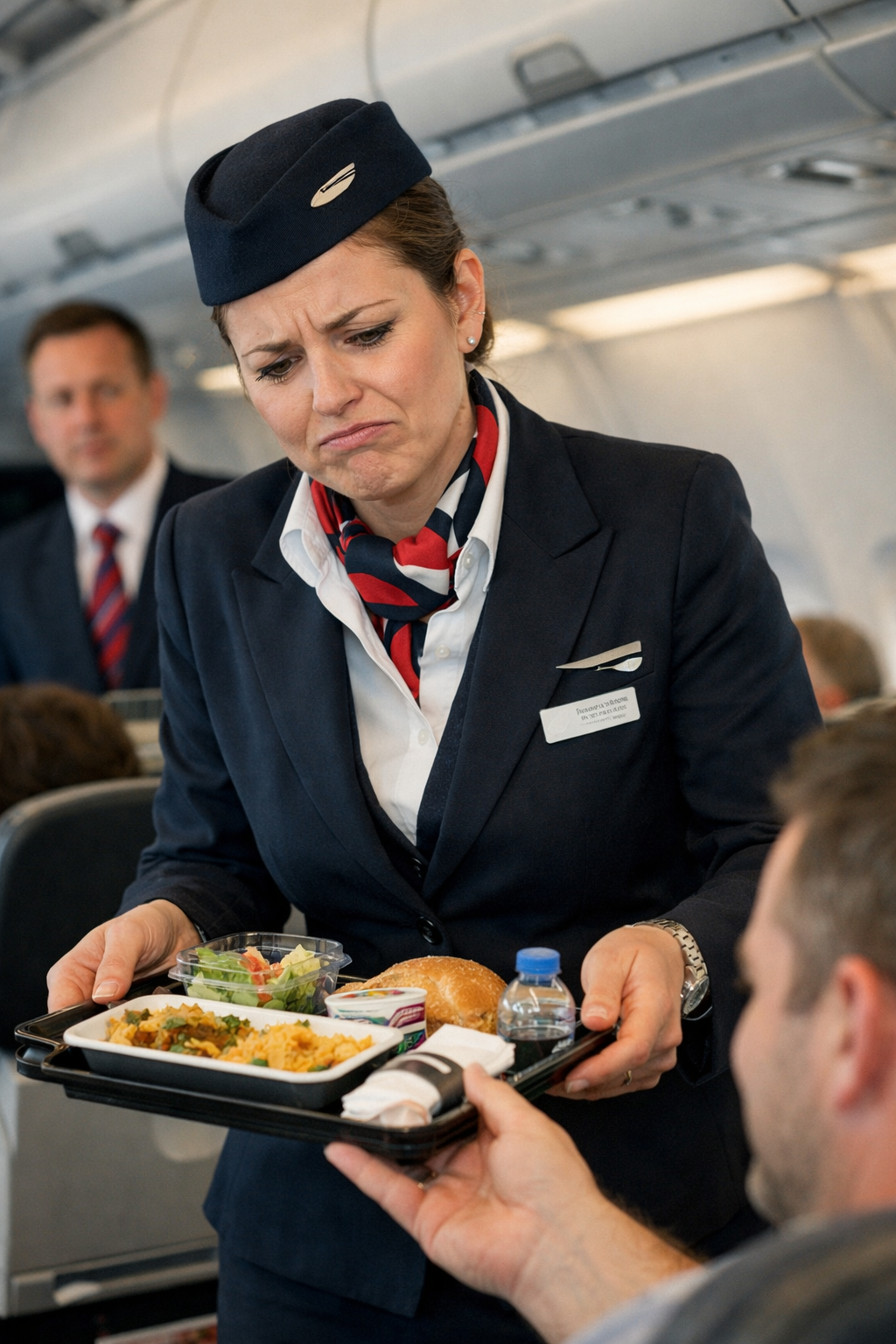
For decades, British Airways promoted itself as a symbol of British quality, professionalism, and reliability. As the UK’s flag carrier, it cultivated an image of premium service and dependable comfort. Yet for many passengers today, that reputation feels increasingly disconnected from reality. Persistent onboard issues — ranging from weak service standards to basic operational failures — are steadily eroding trust in the brand, especially when compared with competitors that consistently deliver a better experience.
Poor Onboard Service and Declining Standards
One of the most damaging factors affecting British Airways’ reputation is the noticeable decline in onboard service. Passengers frequently report indifferent or rushed interactions, long waits for assistance, and a lack of attentiveness throughout flights. What was once seen as polished, professional service now often feels transactional and inconsistent.
This is particularly damaging when compared with airlines such as Qatar Airways, Singapore Airlines, or Emirates, where cabin crew are widely praised for proactive, attentive, and genuinely customer-focused service. These airlines have set a benchmark that British Airways increasingly struggles to meet, despite charging comparable fares on many routes.
Running Out of Food: A Basic Failure
Few issues frustrate passengers more than being told their meal choice — or any meal at all — is no longer available. Reports of British Airways flights running out of food, even on long-haul services, have become alarmingly common. This is not a minor inconvenience but a fundamental service failure. The impression given is that they are attempting cost savings by forcing passengers to take the cheaper meal option, even accepting options from lower compartments.
By contrast, leading international carriers are known for careful catering management and generous provisioning, ensuring passengers are rarely left without options. When British Airways fails to provide meals reliably, it creates the impression of cost-cutting and poor planning, damaging confidence in the airline’s operational competence.
Faulty Entertainment Equipment on Long Flights
In-flight entertainment is no longer a luxury; it is an essential part of long-haul travel. Yet British Airways continues to attract criticism for broken screens, unresponsive systems, and faulty headphones. For passengers facing flights lasting eight hours or more, these failures significantly reduce comfort and satisfaction.
Competing airlines invest heavily in modern cabins, reliable technology, and large entertainment libraries. When passengers experience smooth, high-quality systems elsewhere, British Airways’ ongoing technical issues reinforce the perception of aging aircraft and underinvestment.
Overworked Cabin Crew and the Human Cost
Many of these problems can be traced back to one underlying issue: overworked and understaffed cabin crew. Crew members are often responsible for large passenger loads under tight schedules, leaving little room for the attentive service British Airways once promised. Fatigue and low morale are difficult to hide and inevitably affect the passenger experience.
In contrast, airlines with stronger reputations tend to prioritise crew wellbeing, recognising that motivated and supported staff are essential to high service standards. British Airways’ struggles in this area are increasingly visible to customers and further undermine its premium image.
Falling Behind Better Airlines
Perhaps the most damaging aspect of British Airways’ decline is how stark the comparison has become. Passengers who regularly fly with Asian and Middle Eastern carriers often describe British Airways as outdated, inconsistent, and overpriced for what it delivers. While competitors innovate and refine their onboard experience, British Airways appears to rely heavily on its historic reputation.
A Brand at Risk
Reputation in the airline industry is built flight by flight. Repeated experiences of poor service, missing food, broken entertainment systems, and visibly overstretched crew are reshaping how passengers view British Airways. Once seen as a leader, it now risks being perceived as an airline that no longer lives up to its promises.
Unless British Airways makes meaningful investments in staffing, training, catering, and cabin upgrades, the gap between its brand image and the reality onboard will continue to widen — and passengers will increasingly choose airlines that deliver the quality British Airways once represented.